Ofsted Inspection Updates
Ofsted has updated the way nurseries are inspected from 2025, with clearer report cards that show simple grades alongside short explanations of what each setting does well and where it can improve.
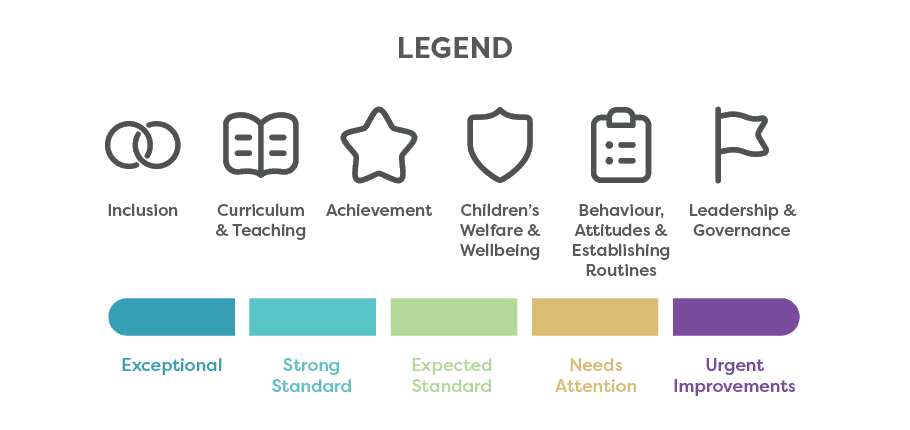
Nurseries are now graded on a five-point scale, Exceptional, Strong Standard, Expected Standard, Needs Attention and Urgent Improvement, across key areas such as teaching, early years care, children’s progress, inclusion, leadership, wellbeing, and behaviour.
Walton on Thames’ New Ofsted Report
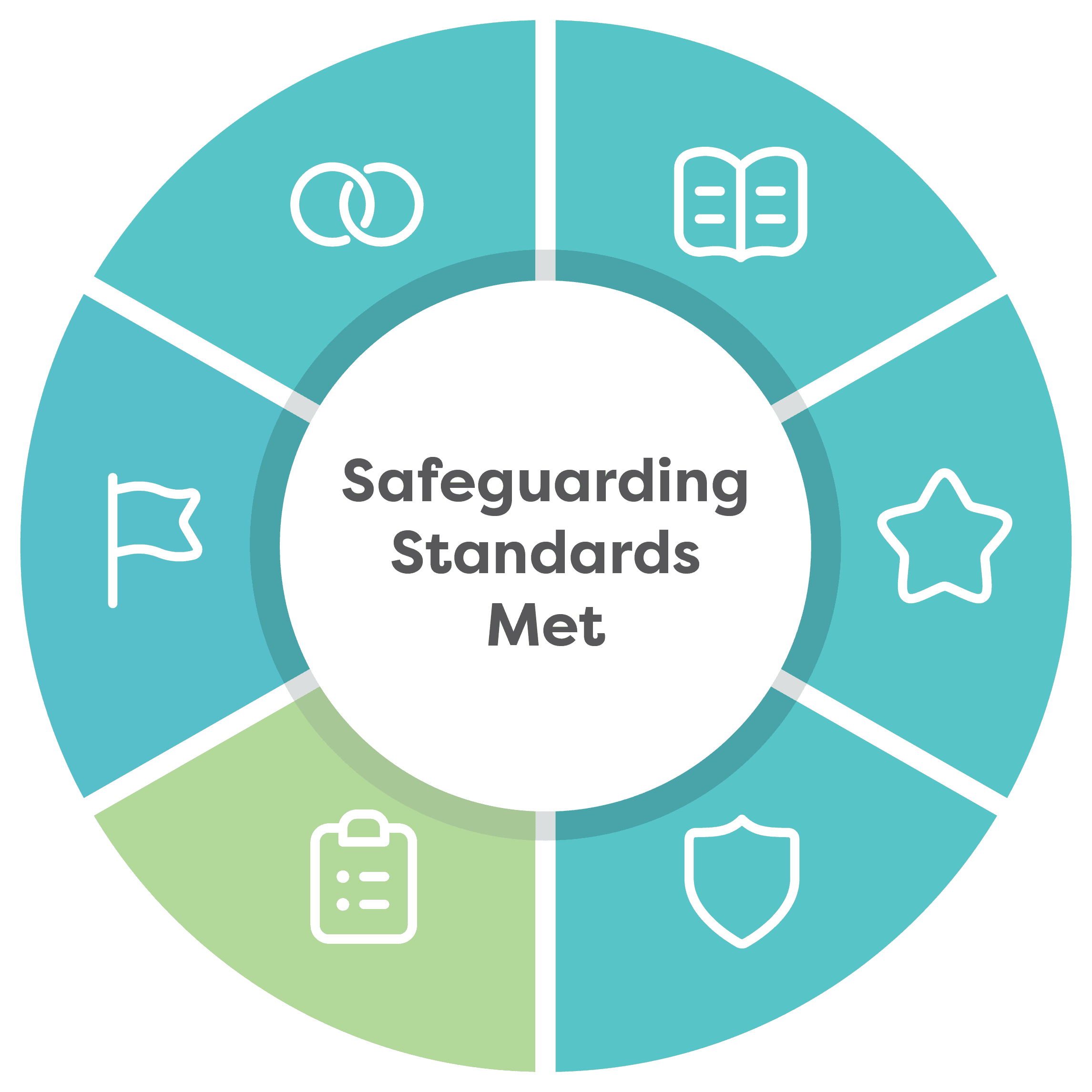
Monkey Puzzle Walton on Thames’ most recent Ofsted report was published in April 2026, confirming that safeguarding standards were fully met and children’s safety and wellbeing remain a top priority. The nursery achieved Strong Standard across five key areas and Expected Standard in one of the inspection’s key areas, reflecting the high-quality care, learning and support provided by the team. Parents and carers can read the full Ofsted report here to learn more about the inspectors’ findings.
New Ofsted Report
What Ofsted Applauded us for
Children’s Welfare and Wellbeing – Strong Standard
- Children’s welfare and wellbeing are at the heart of everything we do.
- Attentive and caring staff know children well, helping them feel safe, secure, and valued.
- Children’s emotional wellbeing is supported through nurturing interactions and a calm, caring environment.
- Children learn important healthy lifestyle habits, including healthy eating and oral health.
- Strong partnerships with families and professionals ensure that support is tailored to each child’s individual needs.
- An inclusive approach celebrates every child’s uniqueness and promotes a sense of belonging.
- Leaders continuously review and strengthen practice to ensure the highest standards of care and wellbeing.
- Children are encouraged to develop confidence and independence by learning how to keep themselves safe and take age-appropriate risks through play and exploration.
Achievement – Strong Standard
- Children make excellent progress across all areas of learning and development.
- Strong communication and language skills are evident, with children confidently using new vocabulary and engaging in meaningful conversations.
- Children demonstrate increasing confidence, independence, and resilience in their learning.
- Positive social skills are well developed, with children consistently showing kindness and good manners.
- The school readiness programme helps children develop important life skills, including independence, self-care, and managing routines.
- Children are exceptionally well prepared for their next stage of education, confidently sharing ideas, working collaboratively, and building on each other’s learning.
Behaviour, Attitudes and Establishing Routines – Expected Standard
- Children develop warm, secure relationships with staff, helping them feel safe, supported, and confident.
- Positive friendships are fostered, with children learning to take turns, cooperate, and build on each other’s ideas.
- Children show enthusiasm for learning and engage eagerly in activities that capture their interests.
- Staff support children’s emotional development, helping them understand and manage their feelings.
- Clear behaviour expectations help children develop positive social skills and confidence.
- Routines provide children with a sense of security and support their growing independence throughout the day.
- An inclusive approach ensures that children’s individual needs are recognised and supported.
- Leaders work closely with families to promote regular attendance and ensure children can fully benefit from their learning experiences.
- Children demonstrate positive attitudes to learning, curiosity, and a willingness to explore new experiences.
Curriculum and Teaching – Strong Standard
- Children benefit from a carefully planned and ambitious curriculum that builds on what they already know and can do.
- Staff provide meaningful learning experiences that follow children’s interests and encourage curiosity, exploration, and deeper thinking.
- Teaching is responsive and tailored to individual needs, ensuring all children can access and enjoy the curriculum.
- Ongoing assessment helps staff adapt learning experiences to support each child’s progress.
- Children have regular opportunities to revisit and apply their learning, helping them develop confidence and secure key skills.
- Rich interactions between staff and children promote communication, problem-solving, and critical thinking.
- Activities such as sensory exploration, early literacy experiences, and physical challenges help children develop a broad range of skills.
- Children gain the knowledge, skills, and attitudes needed to be successful in their next stage of learning and development.
Inclusion – Strong Standard
- Children’s individual needs are identified early and supported effectively, helping them make strong progress in their learning and development.
- Leaders work closely with families, staff, and external professionals to ensure every child receives the support they need.
- Early intervention and targeted support help to close gaps in learning and promote positive outcomes for all children.
- Children with SEND benefit from consistent, personalised strategies that enable them to thrive and make sustained progress.
- Progress is carefully monitored, and support is adapted to meet children’s changing needs.
- Strong partnerships with families help children feel confident, secure, and ready to learn.
- Leaders actively seek and implement specialist advice and resources to enhance support for children.
- Funding and resources are used effectively to improve learning, wellbeing, and outcomes for individual children.
Leadership and Governance – Strong Standard
- Leaders have a clear and ambitious vision focused on providing high-quality education and care for every child.
- A strong strategic plan ensures children benefit from consistent, meaningful learning experiences across the setting.
- Leaders are reflective and proactive, continually identifying opportunities to enhance practice and outcomes for children.
- Effective governance provides both support and challenge, helping drive continuous improvement.
- Staff strengths are recognised and nurtured, creating well-balanced teams that support children in a variety of ways.
- Staff wellbeing and professional development are prioritised, fostering a positive culture of learning and growth.
- Strong partnerships with parents ensure families are actively involved in their child’s learning journey.
- Initiatives such as the school readiness webinar help parents support their children’s transition to school.
- Leaders enrich children’s experiences through community involvement, visits, and new learning environments, broadening their understanding of the world and supporting their development.
- A commitment to continuous improvement ensures the nursery is always striving to provide the very best outcomes for children.
What it’s like to be a child at Monkey Puzzle Walton on Thames
- Children feel safe, secure, and genuinely cared for in a warm and nurturing environment.
- They make strong progress from their starting points through purposeful learning that builds on their existing knowledge and skills.
- Children are highly engaged in their learning and enjoy a wide range of stimulating experiences.
- Individual needs are identified early, ensuring children receive the right support to help them thrive.
- Children develop confidence, resilience, and independence, preparing them well for their next steps, including school.
- A highly inclusive environment ensures every child feels valued, respected, and able to participate fully.
- Strong relationships with staff help children feel a sense of belonging and build positive self-esteem.
- Children form meaningful friendships, learning to share, cooperate, take turns, and support one another.
- Children’s voices are valued, and they are encouraged to contribute to decisions that affect their experiences.
- Children demonstrate positive attitudes to learning and confidently explore and engage with the world around them.
Safeguarding – Met
- Safeguarding standards were fully met, with Ofsted recognising a strong culture where safeguarding is everyone’s responsibility, ensuring children feel safe, secure, and well protected.
- Children benefit from a strong safeguarding culture where concerns are identified, acted upon, and managed effectively.
- Safeguarding was recognised as a strength, with leaders creating an environment where children are safe and feel safe.
- Ofsted found that robust safeguarding practices and clear leadership help ensure the safety and wellbeing of every child.